

 Shopify blog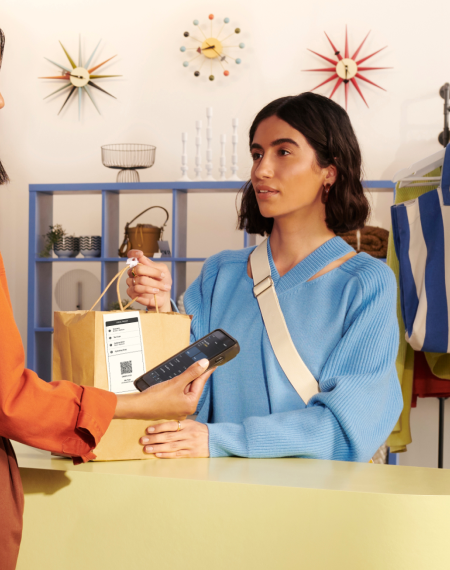

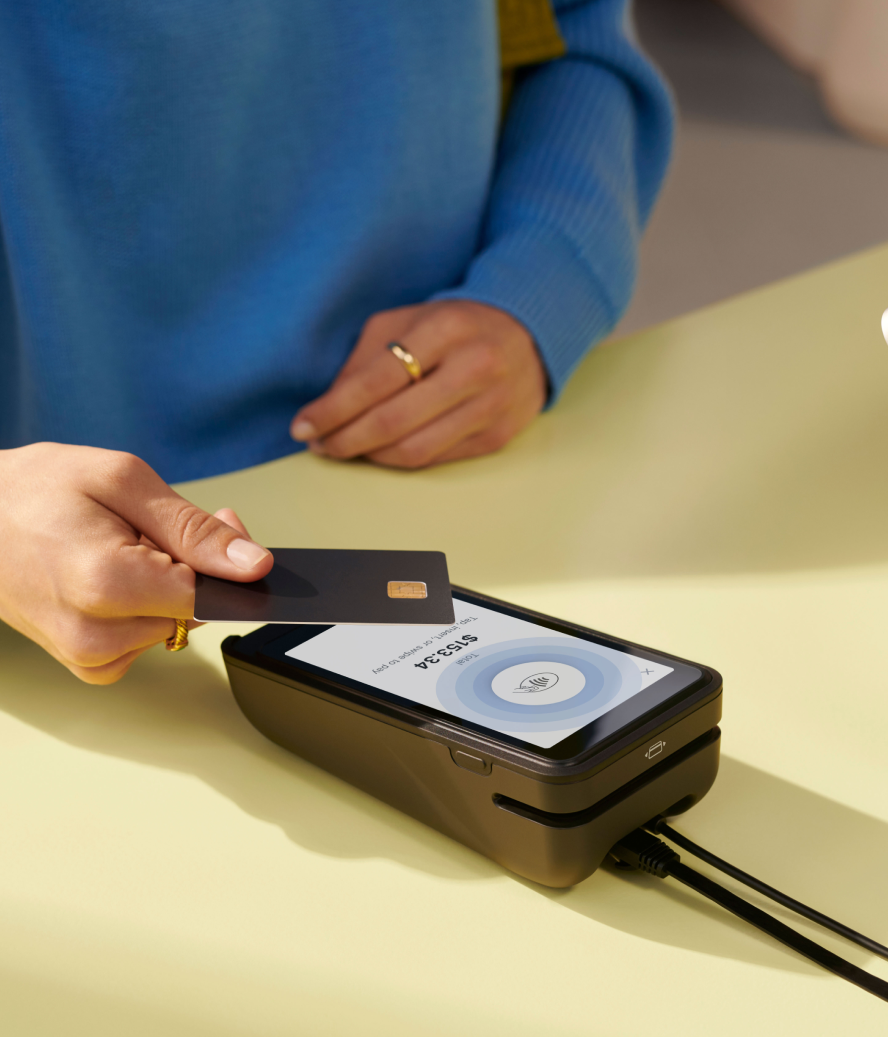

POS hardware refers to the physical devices you use to process transactions and manage in-store sales. That might include devices like a card reader, receipt printer, and POS terminal.
A 2026 report found roughly two-thirds of small and midsize retailers use POS hardware to improve billing efficiency and the customer experience. But cost is a barrier to adoption for almost 61% of small businesses surveyed.
This guide covers the POS hardware to run a retail store and the cost of each, with tips on how to calculate the all-in price.
What is POS hardware?
POS hardware refers to the physical devices and software you use to complete transactions at the point of sale. Retailers and hospitality store owners use POS hardware to process in-person sales, manage inventory, and track sales.
POS hardware may include:
- Cash registers
- Barcode scanner
- Receipt printers
- Credit card readers
- Touchscreen devices
What POS hardware do retail stores need?
The specific mix of POS hardware you’ll need will depend on the type of store you have and the sales volume you generate. For example, a pop-up store might only need a smartphone while a permanent location has a checkout desk with enough space for a fixed countertop terminal.
Here’s where you can start with POS hardware for your business:
1. POS terminal
POS systems once ran on large desktop computers. Today, retailers can install POS software on tablets and smartphones to create mobile POS systems:
Tablet
POS software can be downloaded on tablets and used to manage business operations. It’s a flexible alternative to stationary POS hardware.
FAUCHON, for example, uses the Shopify POS app on a portable tablet. Retail associates can move freely around the store and guide customers through the product catalog, then complete the purchase on the spot. Checkout now takes 50% less time than it did before.
Smartphone
POS software can be downloaded onto a smartphone and used as a POS terminal. With Shopify POS, for example, retailers can use a smartphone’s camera as a barcode scanner to scan products at checkout or run an inventory count.
Tap to Pay also lets retailers accept contactless payments directly on a smartphone without a separate card reader. Daniel Vu, founder of Daniel Vu Ceramics, uses this type of soft POS to sell at events and pop-up shops that make up 70% of the brand’s revenue.
“I love the convenience of having everything I need to sell in-person on my iPhone,” says Daniel. “I don’t have to stress about card readers disconnecting and can just focus on the person in front of me.”
2. Tablet stand
A tablet stand keeps tablets in place at the checkout counter for easier access and use. Some tablet stands even swivel to face customers so they can review purchases and sign for transactions on a customer-facing display.
3. Customer-facing display
A customer-facing display (CFD) is a screen that faces customers at checkout and shows purchase details as items are added to their cart. Some POS setups use a second tablet or screen, while others combine the customer display and payment terminal in one device.
Retailers can use a CFD to let customers:
- Review their potential purchases before paying
- Choose whether to tip your staff
- Sign up for loyalty or reward programs
“The ability to tilt the tablet toward the customer lets them be part of the transaction," says Tamer Selim, CTO at Evereve. “Letting them choose their receipt format, it all continues that personal interaction they’ve had throughout their shopping experience."
4. Barcode scanner
A barcode scanner can decode information stored on a product tag. This device is used for things like ringing up customers, receiving purchase orders, and conducting inventory counts. Tennis Giant, for example, uses a barcode scanner to prevent mistakes with size or color variants at checkout.
5. Card reader
Card readers are payment terminals that process card transactions which account for the majority of all in-store transactions.
Some card readers also have near-field communication (NFC) technology, which lets you accept payments from smartphone wallets, also known as Tap to Pay. This is important: Roughly 33% of POS transactions will happen through a digital wallet by 2030.
6. Cash drawer
Although digital payments are popular, some 12% of customers are still expected to use cash by 2030.
A cash drawer is a safe space to store this money. It opens when the POS system processes payment so the cashier can accept cash and give back change. The cash drawer includes bins that separate and organize bills and coins by value.
Shopify also comes with cash tracking sessions, which help you monitor daily cash transactions and balance your cash drawer.
7. Receipt printer
A receipt printer is a small device that prints paper receipts for customers who want them. These receipts can contain transaction information, like items purchased, product prices, and when and where the transaction took place.
For card transactions that require a physical signature, the printer prints a merchant copy and a customer copy of each receipt. Customers can hold onto receipts and use them to make returns or exchanges.
Little Words Project combines this with digital receipts. When a customer completes their payment on a Shopify card reader, the POS system matches them to a Shop Pay user to display their email address at checkout. Those shoppers have the option to receive a digital receipt and opt into marketing.
This Shopify POS feature allowed Little Words Project to increase the percentage of POS orders with an attached customer email and marketing opt-in by 33%.
8. Receipt paper rolls
Receipts are printed on receipt paper rolls. The three main types of receipt paper are:
- Thermal paper. Uses heat to activate chemicals on the receipt paper’s surface.
- Bond paper. Uses a traditional ink ribbon that works with dot matrix receipt printers.
- Carbonless paper. Two- or three-ply paper that creates instant duplicates of receipt when pressure is applied to the carbon-coated surface.
9. Barcode label printer
A barcode label printer is a specialized printer you can use to create product tags, shelf labels, or price stickers.
10. Barcode labels
Barcode labels can be stickers or cardstock used to link information to product tags. Retailers can use them to organize inventory with a barcode inventory management system, while cashiers scan products at checkout to populate a customer’s cart.
How much does retail POS hardware cost?
POS hardware costs vary depending on where you buy it, the models you choose, and how many of each item you purchase.
Here’s how much you can expect to pay if you chose Shopify POS hardware:
| POS hardware | Cost |
|---|---|
| POS terminal | $349 |
| Card reader | $49 |
| Tablet stand | $149 |
| Receipt printer | From $289 |
| Barcode scanner | From $209 |
| Cash drawer | $139 |
| Label printer | From $209 |
What affects POS hardware pricing
POS hardware prices depend on the devices you choose, how they connect to your POS system, and whether you buy hardware individually or as part of a kit.
When pricing up a POS system, consider:
- Device type. A card reader costs less than a full POS terminal, while things like tablets, receipt printers, and cash drawers each have their own price ranges.
- Feature level. Extra features like a customer-facing display, wireless printing, or docked payment sometimes bump up the POS system cost.
- Bundles vs. individual purchases. Buying hardware one piece at a time lets you choose each device separately, while POS hardware bundles group multiple items into one setup.
- New vs. refurbished devices. Refurbished POS devices can lower upfront costs, but check warranty and compatibility before buying.
- Buy vs. lease. You don’t have to buy devices outright if you only sell occasionally. Rentals let you lease POS hardware for temporary selling.
- POS software. You’ll need a system to operate on the POS hardware. Free POS software exists, but this can wind up being more expensive in the long run if important features are locked behind upgrades.
Calculate the total cost of ownership (TCO) to see how much a POS system costs to run. This includes upfront hardware costs, POS software fees, and any integration or maintenance costs.
Shopify’s unified commerce platform powers every sales channel, giving you one “business brain” and a single source of truth for inventory, order, and customer data.
A leading independent research firm found Shopify POS’s TCO is up to 37% better than competitors surveyed. Retailers report:
- 89% lower annual third-party support costs
- 27% lower annual middleware costs
- 25% lower annual software subscription and maintenance costs
How to choose the right POS hardware for your store
Here’s how to shortlist your needs and select the right POS hardware for your retail business:
List your store’s processes and workflows
While there are common pieces of POS hardware many retailers use, there’s no one-size-fits-all setup. The hardware you use will depend on factors like your store setup, experience, and location.
Think about:
How will you check out customers?
A traditional cash wrap counter offers space for fixed POS hardware. If you’d prefer to allocate that space to more inventory, or if you’re running a pop-up shop, consider mobile hardware that isn’t tethered to a counter.
How large is your retail store?
A small store might do well with mobile checkout while a larger store has multiple checkout desks dotted around the shop floor for convenience. If you run multiple locations, check for multi-store POS packages to roll out the same hardware across each location.
Are there any processes you want to speed up?
A basic POS hardware setup will help you start selling in person, but as your needs evolve, you might upgrade your stack to make processes more efficient.
If you have more traffic on holidays and weekends, think about ways to speed up checkout and prevent queues that 84% of shoppers aren’t willing to wait in. For example:
- Astrid & Miyu uses portable POS devices where associates can ring up orders, check inventory levels, and retrieve customer data from anywhere in-store, not just the checkout counter.
- Endorphins hosted a pop-up shop ahead of the NYC marathon that let customers pay with their pace. Runners who ran on the treadmill got a receipt of their results. This contained a barcode that automatically applied store credit at checkout.
Do you have existing hardware to work with?
If you already own POS hardware, check whether each device works with your POS system before buying replacements or add-ons.
Start with the device you’ll use to run your POS software. Check the provider’s minimum operating system requirements for tablets and smartphones. Connected POS hardware, like receipt printers, cash drawers, and card readers, must match your POS system’s compatibility requirements.
Research your options online
POS hardware can be a big investment, so check compatibility, pricing, and warranty terms before choosing a setup:
Speak with merchants in-person and through retail communities
Ask other store owners what POS hardware they’ve tried and whether they’d recommend it. Look for retail groups on LinkedIn and Facebook, and communities on Reddit, such as the Ask Retail subreddit. You could also join your local business improvement district or commerce association to chat with store owners in your area.
Read and watch online reviews
When you’ve narrowed down your POS hardware list to a few options, look up reviews of these products. You can go on manufacturers’ websites, review sites like G2, and YouTube for detailed reviews of tablets, barcode scanners, and other types of POS hardware.
See the hardware POS providers sell
Getting your hardware and software from the same place can eliminate compatibility issues and give you resources for technical support. Shopify, for example, has a library of tutorial videos to set up hardware inside the POS system.
Where to buy POS hardware
While you can buy hardware from manufacturers and third-party stores, you can also buy it directly from your POS provider. For example, store owners who choose Shopify POS can buy bundled or individual hardware from the Shopify hardware store.
Read more
- How to Choose the Best Retail Point-of-Sale (POS) System
- The Complete Guide to Point-of-Sale (POS) Features
- What to Sell: How to Find a Great Product-Market Fit for Your Brand
- 5+ Ways to Build Your Side Business Without Quitting Your Day Job
- How to Use Google Trends to Start and Run a Retail Business
- 5 Successful Retail Businesses That Started Off as Side Hustles
- How to Open a Retail Store in Your Starter Guide
- How To Work With a Developer to Build Your Retail Website
- How This Gemstone Retailer Is Making Sales Magic With Healing Crystals
- How To Make Your Retail Store Attractive To Business Investors
POS hardware FAQ
What are examples of POS hardware?
POS hardware examples include:
- Cash register
- Barcode scanner
- Receipt printer
- Credit card reader
- Debit card reader
- Cash drawer
- POS terminal
- Touchscreen monitor
- Customer display
- Handheld mobile devices
- POS scales
- Chip-and-pin machine
- Tablet stand
What’s the difference between POS hardware and software?
POS hardware refers to the physical devices used to process in-person transactions. This hardware could include card readers, cash drawers, barcode scanners, and receipt printers. POS software is the digital system used to ring up sales, manage inventory, track customer data, and sync sales information. Hardware handles the physical checkout process, while software manages the transaction data behind it.
What are the four types of POS?
The four main types of POS are:
- Desktop POS. Traditional point-of-sale systems used in brick-and-mortar stores that require a dedicated computer or terminal.
- Cloud-based POS. POS systems that operate through a cloud-based network, making them accessible from anywhere with an internet connection.
- Mobile POS. POS systems that let retailers process transactions on a mobile device, like a smartphone or tablet.
- Self-service POS. POS systems for self-checkout, allowing customers to scan and pay for items themselves at the point of sale.
Can a tablet or smartphone work as POS hardware?
A tablet or smartphone can work as POS hardware if it’s compatible with your POS software and payment hardware. For example, Shopify store owners can use the POS app with Tap to Pay. It turns your smartphone into a credit card reader.
How does POS hardware integrate with existing software?
POS hardware connects to POS software so retailers can process transactions and sync sales, inventory, and customer data. Some devices connect through Bluetooth, Wi-Fi, USB, or Ethernet, while others connect through a POS app or account. Check your POS provider’s compatibility requirements before buying hardware.


