



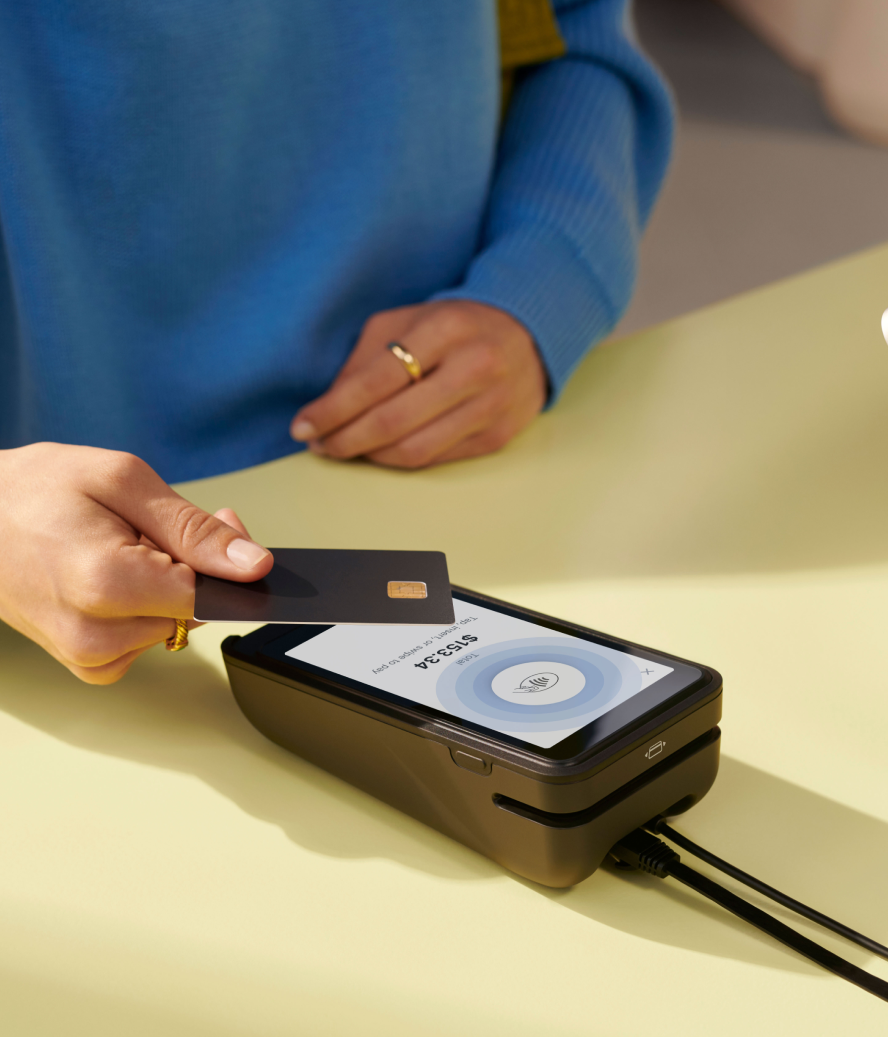

Cashier training gives retail staff a clear process for handling checkout, using your store’s point-of-sale (POS) system, and helping shoppers.
For store owners, inconsistent cashier performance affects checkout speed, transaction accuracy, and the overall customer experience. If the goal is to reduce register errors or standardize the checkout experience across staff, retail training needs to cover the tasks cashiers perform on every shift.
This guide explains what to include in a cashier training program, how to structure it, and how Shopify POS supports checkout workflows in store.
What does a retail cashier do?
A retail cashier helps shoppers complete purchases in the store. Their work includes processing payments, scanning items, handling refunds, bagging orders, and answering basic product questions at checkout.
Cashiers also manage the cash drawer, apply discounts, and follow store procedures for returns and exchanges. In some stores, they help direct shoppers to products or call in support from other staff when questions go beyond the checkout area.
The importance of cashier training
With proper training, cashiers can have a positive impact on multiple aspects of your day-to-day business operations.
Improve the customer experience
Cashiers provide a human touchpoint for customers during the checkout experience. Their role includes greeting customers, answering questions, processing returns, and keeping checkout clear and efficient.
In a 2025 survey of established Shopify merchants,* businesses with five or more employees were more likely to cite customer experience as a key competitive advantage. As teams grow, the quality of frontline interactions like checkout can set your business apart.
Boost operational efficiency
An untrained cashier working through a complex POS system can increase wait times at checkout. When you switch to a POS system that’s easy to use and train staff so they’re confident navigating the software, you can boost operational efficiency and serve more customers faster.
Pet food retailer Tomlinson’s experienced this first-hand when migrating to Shopify POS. Unified data from all sales channels meant staff only had to be trained on a single operating system.
That, coupled with integrations with loyalty and trade membership programs, allowed Tomlinson’s to reduce POS training time for new hires by 32%. They also reduced the average number of taps at checkout by 46%, resulting in a 56% reduction in in-store checkout times.
Improve transaction accuracy
Train cashiers on the POS system, pricing, promotions, and store policies so they can ring up orders correctly. That helps customers pay the right amount at checkout.
Untrained cashiers may apply the wrong price or discount, which can create extra work for managers and reduce revenue. A customer-facing display can also help shoppers confirm prices and totals before they pay to ensure accurate transactions.
Bolster security
Cashiers handle point-of-sale data, including customer card information. Train them to protect that data and follow your store’s security procedures.
Since cashiers also have access to the cash register, show them how to count cash, spot counterfeit bills, detect fraud, and lock registers when they’re not in use.
Tip: Bolster POS security by creating user profiles in Shopify POS. Each user can have PIN-protected access and customized permissions, like only exchanging products with manager approval.

Increase sales
When a cashier is familiar with products, promotions, and their customers’ preferences and needs, they can make personalized recommendations and sell more. A thorough cashier training program teaches store associates to upsell and cross-sell, helping increase purchase size.
What to train cashiers on
Cashiers need to know how to work a cash register, use the point-of-sale system, help customers, and process payments. A cashier training program covers:
- Cash register day-one essentials
- POS system basics
- Hardware operations
- Basic troubleshooting
- Fraud prevention
- Inventory management
- Returns and exchanges
- Customer service skills
- Discounts and promotions
- Retail clienteling
- Upselling and cross-selling
Cash register day-one essentials
Cashiers handle cash transactions, so they need basic retail math and money-handling skills. They need to count the cash a customer gives them and return the correct change. They also need to keep the cash drawer accurate throughout the shift.
Training should cover how to process each payment type your store accepts, including credit cards, contactless payments, and buy now, pay later (BNPL) options. Include opening and closing procedures so they can balance the register and store cash securely.
POS system basics
Cashiers need to know the basics of the point-of-sale system before they start a shift. That includes looking up products, adding items to the cart, taking cash and card payments, and giving the correct change. They also need to know how the register handles receipts and what to do when a payment does not go through.
Drawer balancing is an important part of the job. At the start of a shift, cashiers count the cash in the drawer and confirm the opening amount. At the end of the shift, they count the drawer again and compare it with the sales recorded in the POS system.
Hardware operations
Shopify POS works with the hardware at your checkout counter, including a card reader, receipt printer, barcode scanner, and cash drawer. Cashiers need to know the basic function of each device.
Basic troubleshooting
Whether you lose internet connection or the system freezes, educate cashiers on how to troubleshoot basic problems with your POS system. Teach them how to take offline payments if required.
Cashiers should also know where to find help in Shopify POS. In the Shopify POS app, staff can open Support to view device information, send a bug report, or contact Shopify Support.
Fraud prevention
Cashiers need to handle cash and sensitive POS data securely. Train them on how to detect theft, identify scams, check bills for counterfeit signs, recognize suspicious transaction patterns, and follow security procedures. They should also know when to call a manager about an unusual request.
Inventory management
Teach cashiers how to conduct stock checks, reference inventory levels, and offer alternative fulfillment options, like ship to customer. This also applies to any hardware you’re using to track inventory, such as barcode scanners or RFID tags.
Returns and exchanges
Walk cashiers through how to process a return, from verifying their purchase to initiating a refund. A unified operating system like Shopify merges your data from any sales channel, so cashiers can issue refunds for online purchases in-store (and vice versa).
Customer service skills
Cashiers are an important human touchpoint—and sometimes the only human touchpoint—that a customer has with your store. As the face of the business, cashiers need to be able to create a welcoming environment for everyone. They should help shoppers while being professional, courteous, friendly, and kind.
Discounts and promotions
Whether it’s free local delivery or 10% off for first-time customers, discounts are a strategy used to lure customers in. Teach cashiers how to apply these discounts. Some POS systems apply discounts and promotions automatically. Tomlinson’s Kate Knecht says this Shopify feature “saves our team a lot of time and energy.”
Retail clienteling
Cashiers can use customer data from your POS system to personalize the shopping experience. Train them on how to reference this data at checkout.
Upselling and cross-selling
Set cashiers up for success by giving them the tools they need to cross-sell and upsell effectively. Examine POS reports to see which items are usually bought together so cashiers can know what to suggest.
For example, encourage clothing store cashiers to recommend complementary low value items at checkout to increase basket size.
How to train retail cashiers
New hires should receive cashier training as part of their onboarding experience. There are a few key steps you can take to build a successful cash register training program.
1. Choose the right training materials
Cashier training materials include video tutorials, manuals, and online courses. POS providers and vendors like Shopify supply onboarding documents, training videos, and product demos.
Create a store-specific training manual for new hires to review during downtime. Include store policies, cash-handling procedures, and step-by-step instructions for the store’s POS system.
2. Plan and schedule regular training sessions
Extend training beyond a cashier’s first days on the job. Continued training gives staff time to practice core tasks and learn new ones.
Here’s a suggested training timeline:
- First day: Orientation and POS basics.
- First week: Shadowing and hands-on practice.
- First three months: Progressive skill-building.
- Quarterly: Refresher sessions.
When internal processes change, introduce updates in stages. Pair each change with training and a transition period so staff can adjust without confusion.
3. Highlight key store policies
Review store policies during cashier training. Cover customer-facing policies such as returns, discounts, and shipping. Cover internal policies such as clocking in, counting inventory, asking for help, and requesting time off. Store these policies in an employee handbook so staff can find them during a shift.
4. Emphasize customer service
Train cashiers on the customer service standards used in the store. Share the business values that shape those interactions. Explain which behaviors meet those standards and which do not.
Also, instruct them on how to respond to angry or disruptive customers. Show them how to stay calm, speak clearly, and explain store policies without escalating the situation. Identify when they should call a manager for support.
5. Build for scalability
Build a cashier training program that staff can repeat across locations. Use a mix of formats so new hires can complete part of the training on their own.
One approach is to start with an in-person orientation at the beginning of the month. After that, assign online training through courses, videos, and written guides. Then schedule shadow shifts so cashiers can practice the tasks they learned.
Shopify uses a single back office for both in-person and online sales, so staff can learn one system instead of separate tools for each channel. Teams running more than one store can use the same training program across locations.
Cashier training tips
Follow these tips to excel with cashier training in your store:
- Encourage shadowing from experienced cashiers
- Create open lines of communication
- Introduce new processes incrementally
- Choose a POS for unified commerce
Encourage shadowing from experienced cashiers
Use shadow shifts to help new cashiers learn store procedures before they work alone. Shadowing gives them time to watch how experienced staff handle returns, customer questions, and POS issues during a live shift.
You can also use training mode so new cashiers can practice transactions without changing store data. Errors such as voided sales, incorrect discounts, or the wrong product in the cart won’t affect inventory counts or financial reports.
Create open lines of communication
Explain how staff should ask for help during a shift. Set up a buddy system so new cashiers know which coworker or manager to contact.
Store common answers in an FAQ or internal guide. A team chat can also give staff a place to ask questions and solve day-to-day problems.
Introduce new processes incrementally
Roll out new processes in stages when store procedures change. Training and a transition period can reduce confusion and help staff adjust to the new workflow.
Choose a POS for unified commerce
Traditional retail setups often require staff to move between separate systems for checkout, inventory, and customer data. A unified system keeps those tasks in one place, and reduces the number of tools staff need to learn during training.
Shopify POS connects in-store and online retail operations in one system. Staff can learn one interface for checkout, inventory, and customer profiles.
Shopify's implementation and integration costs are 11% lower than competitors, while its intuitive interface reduces staff training and onboarding costs by 21% per retail location. This translates to faster onboarding, reduced training time, and employees who can focus on what matters most: serving customers.

Improve the retail experience with cashier training
Cashiers are one of the most important roles in a retail setting. They’re the face of your business, which means they can impact sales and the customer experience. With a thoughtful cashier training program, your employees can increase revenue and keep shoppers coming back for more.
*Based on a 2025 survey of 500 Shopify merchants conducted in English across Australia, Canada, the United Kingdom, Ireland, New Zealand, and the United States. Respondents were established merchants with two or more years on the platform. Results reflect the experiences of this specific sample and may not be representative of all merchants.
Read more
- Stuck in a Rut? 5 Reasons Retailers Should Consider a Business Coach
- Maintaining the Hustle: How to Stay Motivated as a Busy In-Person Seller
- Project Management vs. Product Management: What's the Difference and How Both Can Help Retailers
- How To Be More Productive: 10 Hacks For Time-Strapped Retailers
- Avoiding Analysis Paralysis: How to Prioritize in Your Retail Business
- 10 Quotes to Inspire Entrepreneurs on Their Retail Journey
- Retail Operations: What They Are & How to Overcome Common Challenges
- Preventing Burnout: 10 Ways to Stay Productive Without Getting Overwhelmed
- How to Complete a Retail Store Audit Efficiently (5 Steps)
Retail cashier training FAQ
What training is needed for a cashier?
Cashiers need to be trained on how to operate a point-of-sale (POS) system (including any integrated hardware), customer service, store policies, exchanges and returns, and cash handling.
What is cash register training?
Cash register training teaches retail staff how to use your POS system, from referencing inventory and customer data to applying discounts and processing payments.
What is the basic training for a cashier?
A cashier training program includes basic training such as cash handling, customer satisfaction, product knowledge, and guidance on how to operate your POS system.
What skills are most important for a cashier?
The most important retail skills for a cashier include customer service, attention to detail, good communication skills, basic math, and product knowledge.
How long should a cashier be trained?
The time required for cashier training can vary depending on the individual and the complexity of the tasks. A cashier training course can be quick and informal for a few days, or require a month of training for proficiency.


